Your Strategy Is Suddenly Profitable. Real Edge or Market Luck? A hot streak can make a strategy look smarter than it is. Trace the gains, compare the conditions, and turn the result into a focused research plan.
Why Does My Backtest Barely Make Money After Trading Costs? A trade earns 12 basis points before costs. Fees, the spread, and slippage leave just 1. Here’s how to check what your backtest actually includes.
Are High Win Rate Strategies Worth Testing? 6 Ways to Tell A high win rate can still lose money. Use six practical checks to review a strategy's results, rules, costs, risk, and overfitting before you test it.
AI Can Generate Strategies at Scale. Which Ones Should You Kill? AI made trading ideas cheap—and lucky backtests plentiful. The scarce part is a research loop that can reproduce, stress, compare, and reject weak strategies before they reach real money.
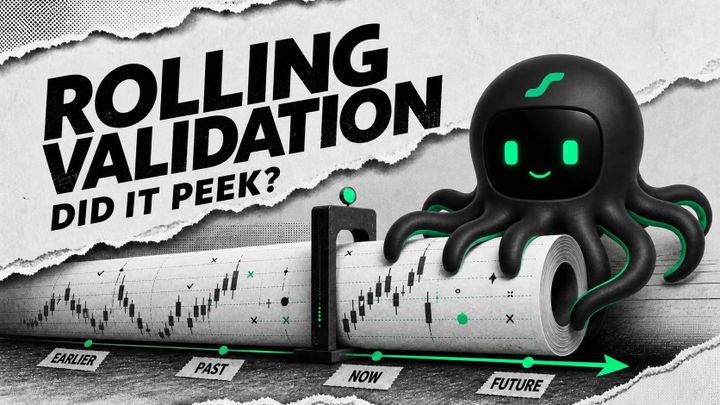
Rolling Validation vs. Cross-Validation: What Do They Actually Mean? Cross-validation changes the exam. Rolling validation also keeps time moving forward. Here’s how to tell whether a backtest learned a real pattern or memorized history.
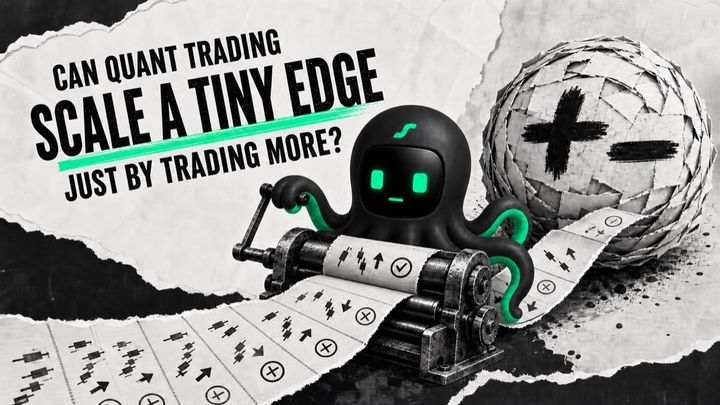
Can Quant Trading Turn a Small Edge Into a Big One Just by Trading More? More trades can build a small quantitative edge—or grind an account down faster. The difference is what each trade leaves after costs.
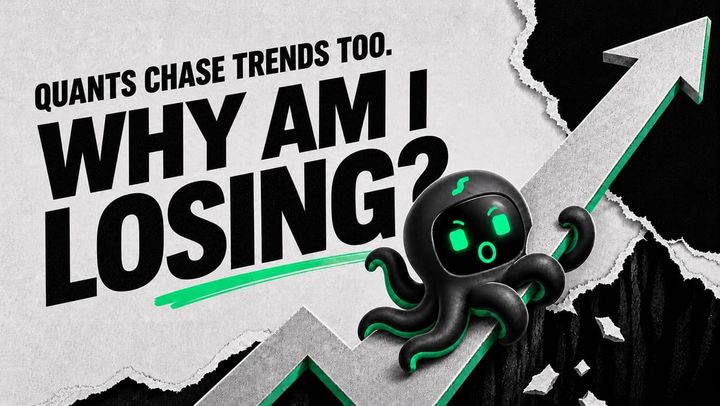
Same Trend, Different Result: Why Quant May Profit While Retail Loses The same buy-after-a-rise trade can end very differently. The difference is not the quant label—it is rules, sizing, costs, and execution.